
Ever blown into your saxophone expecting a silky jazz riff, only to get a squeak that sounds like a stepped-on duck? We’ve all been there. Squeaking is the beginner saxophonist’s archenemy, but it’s not a life sentence. With the right techniques, gear, and a little know-how, you can silence those pesky screeches and unlock the smooth, soulful tones you’re chasing. Whether it’s a wobbly embouchure or a wonky reed, these five essential tips will transform your saxophone from squeaky to stellar. Let’s dive in and make your horn sing!

Why Does My Saxophone Squeak? Understanding the Culprits
Before you can prevent saxophone squeaking, you need to know why it happens. Squeaks aren’t random—they’re signals something’s off. Beginners often face these common triggers: an unsteady embouchure letting air leak, a reed that’s too stiff or too flimsy, shaky breath control, air leaks in the sax itself, or a cheap mouthpiece sabotaging your sound. The good news? Each has a fix. This guide breaks it all down with practical, beginner-friendly solutions. Ready to ditch the squeaks and impress your friends (or at least your mirror)? Here’s how to master a squeak-free saxophone.
1. Nail Your Saxophone Embouchure to Stop Squeaks
Think of your embouchure as the gatekeeper—mess it up, and squeaks sneak through like uninvited guests.
Your embouchure (how you position your mouth) is ground zero for squeak prevention. Get it wrong, and air escapes, turning your notes into high-pitched chaos. Here’s the winning formula: rest the mouthpiece on your lower lip, roll it in slightly, and seal it with your top lip like you’re whispering “oo.” Keep your jaw relaxed—imagine holding a pencil, not biting it. Support the setup with your facial muscles, but don’t clamp down. If your jaw aches after five minutes, you’re overdoing it—ease up! Practice in front of a mirror to perfect this, and you’ll be on your way to a squeak-free saxophone in no time.

2. Pick the Perfect Mouthpiece for a Squeak-Free Sound
A lousy mouthpiece is like a bad haircut—it’s noticeable, and it’s all your fault. Upgrade it, and your sax shines.
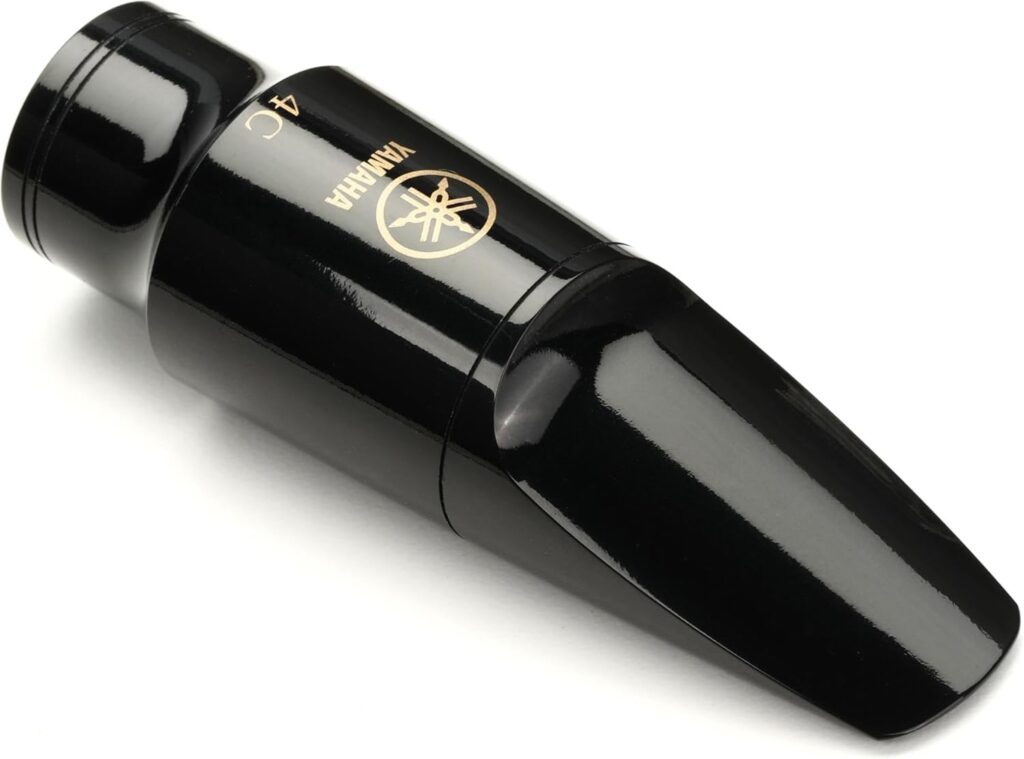
Your mouthpiece shapes your sound, and a subpar one can amplify squeaks. For beginners, the Yamaha 4C is a gold standard. Its medium-small tip opening pairs beautifully with 2.0-3.0 strength reeds, delivering a crisp, focused tone that’s easy to control—even if your embouchure’s still a work in progress. Cheap plastic knockoffs might save you a few bucks, but they’ll cost you in squeaky frustration. Snag a Yamaha 4C for around $30-$40 at music stores or online retailers like Sweetwater and Amazon. It’s a small price for a big leap toward squeak-free saxophone mastery.
3. Keep Your Saxophone Leak-Free to Avoid Squeaks
A leaky sax is a squeaky sax—patch those holes, and your notes will thank you.
Air leaks are stealthy squeak culprits. Worn pads or misaligned keys let air slip out, turning your melody into an airy mess. To check, press a key—does it feel spongy or sound weak? Try the paper test: slip a thin strip (like receipt paper) between the pad and tone hole. If it slides out easily, you’ve got a leak. Minor fixes, like tightening a screw, might be DIY, but for pad replacements or big adjustments, visit a repair tech. Check your sax every 3-6 months, especially if it’s a rental or secondhand. A leak-free horn is your ticket to squeak-free playing.

4. Choose the Right Reed Strength to Prevent Squeaking
Reeds are divas—pick the wrong one, and they’ll squeak just to spite you.
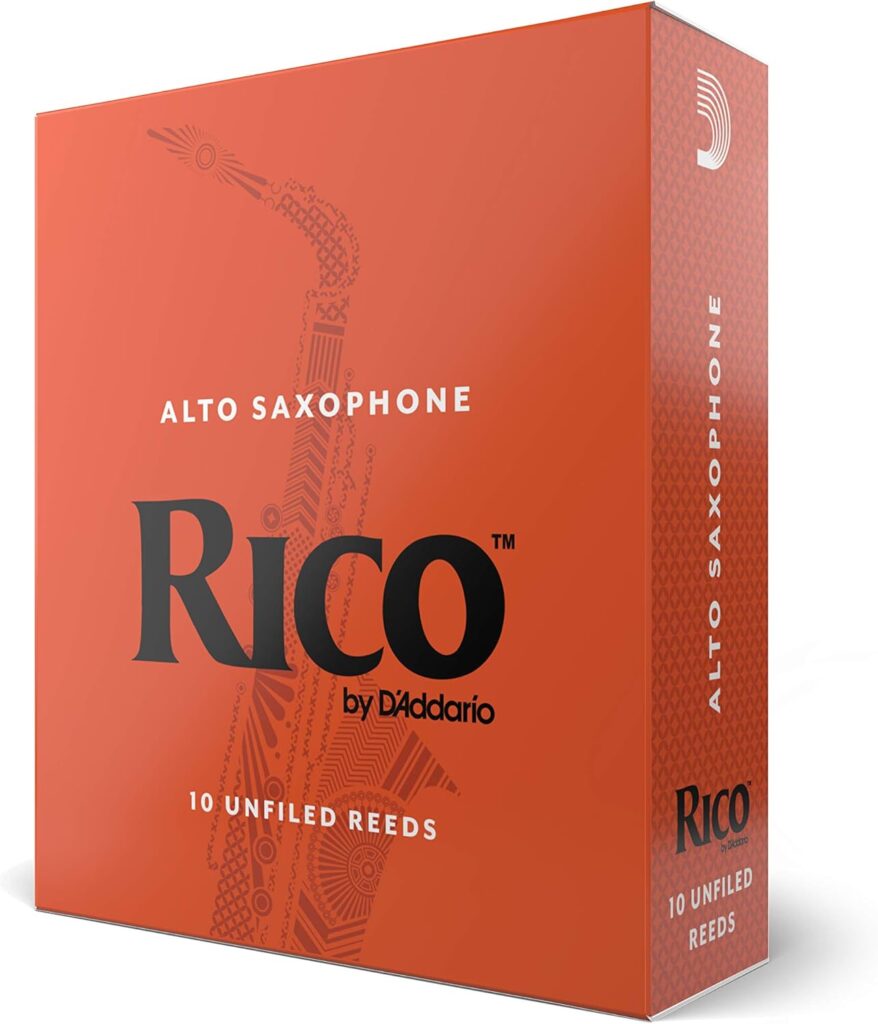
Reed strength is a balancing act. Too soft, and your sound collapses into squeaks; too hard, and you’re winded before the first note. Beginners should start with a 2.0 or 2.5 reed—think Rico or Vandoren brands for reliable options. They’re forgiving while your embouchure builds muscle. Test a few strengths to find your fit: if it’s easy to play but sounds airy, go up a half-step; if it’s a struggle, drop down. Pro tip: store reeds in a case, not your sax case’s damp pocket—warped, soggy reeds are squeak factories. The right reed keeps your saxophone purring smoothly.
5. Practice Smart to Master a Squeak-Free Saxophone
Practice isn’t just repetition—it’s your squeak-killing superpower. Here’s how to wield it.
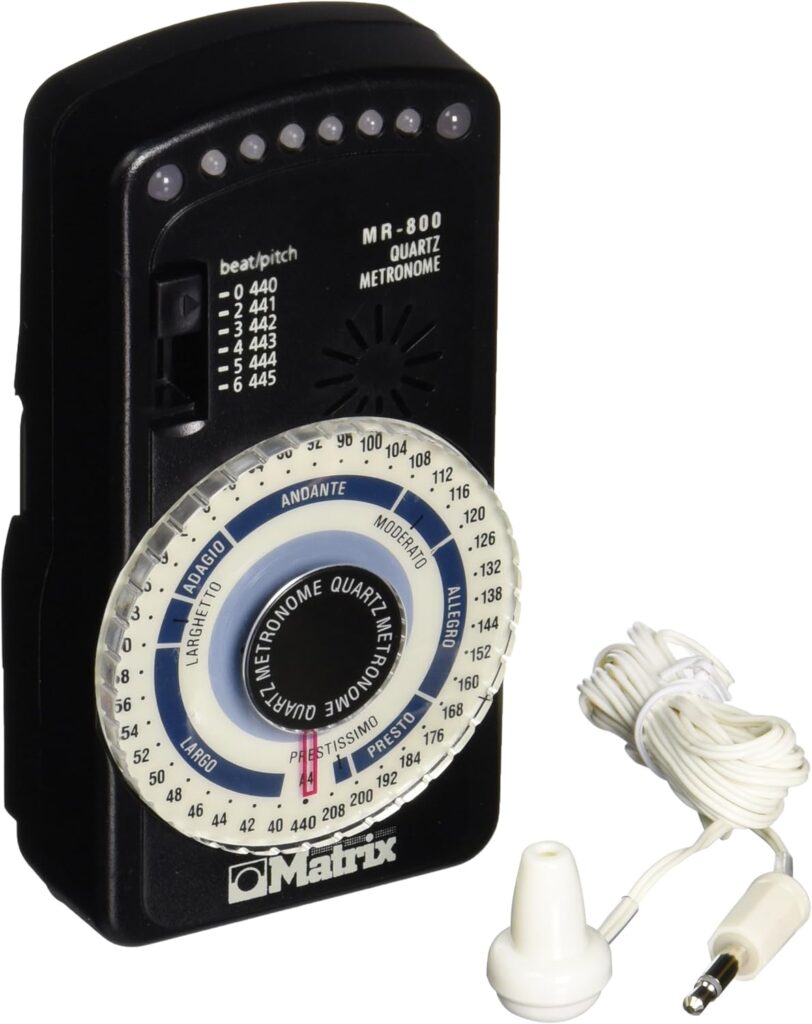
Consistency and technique crush squeaks. Start slow: play a simple scale at half-speed, focusing on clean notes, then gradually crank it up. Record yourself—your phone’s voice memo app works fine—and listen for squeaks or airy spots. Begin every session with warm-ups: long tones (hold a note for 8 seconds) or lip slurs (slide between two notes) to wake up your embouchure. For fun, challenge yourself: play “Mary Had a Little Lamb” without a squeak—celebrate with a victory dance when you nail it! Smart practice builds confidence and a squeak-free saxophone sound.
Bonus: Posture and Breath Control for Extra Squeak Protection
Slouchy posture and weak breath are squeak accomplices—kick them out for good.
Beyond the big five, posture and breath support seal the deal. Sit or stand tall, shoulders relaxed, sax at a comfy angle—no hunching like you’re texting mid-solo. Breathe deep from your diaphragm (feel your belly expand), not your chest, for steady airflow. Weak breath makes notes wobble and squeak, especially on low tones. Try this: blow a long, even note while watching a clock—aim for 15 seconds without faltering. Strong posture and breath are your secret weapons for a squeak-free saxophone journey.
FAQ: Your Top Questions About Preventing Saxophone Squeaking
Got questions? Here are quick answers to keep your sax squeak-free:
- Why does my saxophone squeak when I play? It’s usually an off embouchure, wrong reed, weak breath, leaks, or a bad mouthpiece. Start with tip #1 and troubleshoot.
- How do I stop squeaking with a soft reed? Step up to a 2.5 reed and firm up your embouchure—keep reeds dry to avoid warping.
- Can a bad mouthpiece cause squeaking? Yes! Swap it for a Yamaha 4C—cheap ones invite squeaks.
- How often should I check for leaks? Every 3-6 months—use the paper test or see a tech.
- Does poor breath control make my sax squeak? Yep—deep, steady diaphragm breaths fix it.
- How long until I stop squeaking? With daily practice (20-30 minutes), expect weeks—record to track progress.
- Should I replace my sax if it squeaks? Rarely—fix technique and gear first.

Wrap-Up: Your Squeak-Free Saxophone Awaits
Squeaks don’t mean you’re doomed—they’re just beginner growing pains. With a rock-solid embouchure, a Yamaha 4C mouthpiece, a leak-free sax, the perfect reed, smart practice, and a dash of posture finesse, you’ll banish squeaks and unlock rich, confident tones. Every sax legend—Coltrane, Parker, you name it—started somewhere. So grab your horn, tweak these tips, and blow the roof off (minus the screeches). Your squeak-free saxophone adventure starts now!