Picture this: You’ve just picked up the saxophone, excited to play your first notes, but all you get is a squeak—or worse, silence. Sound familiar? If so, the problem might not be you—it’s likely the reed. Finding the best reeds for beginning saxophonists can feel daunting, but it’s a game-changer for your sound and confidence. In this guide, I’ll walk you through everything you need to know about choosing the perfect reed, from beginner-friendly options to care tips that’ll save you money in the long run. Ready to make your saxophone sing? Let’s dive in!
Why Reeds Matter: Saxophone Reed Basics
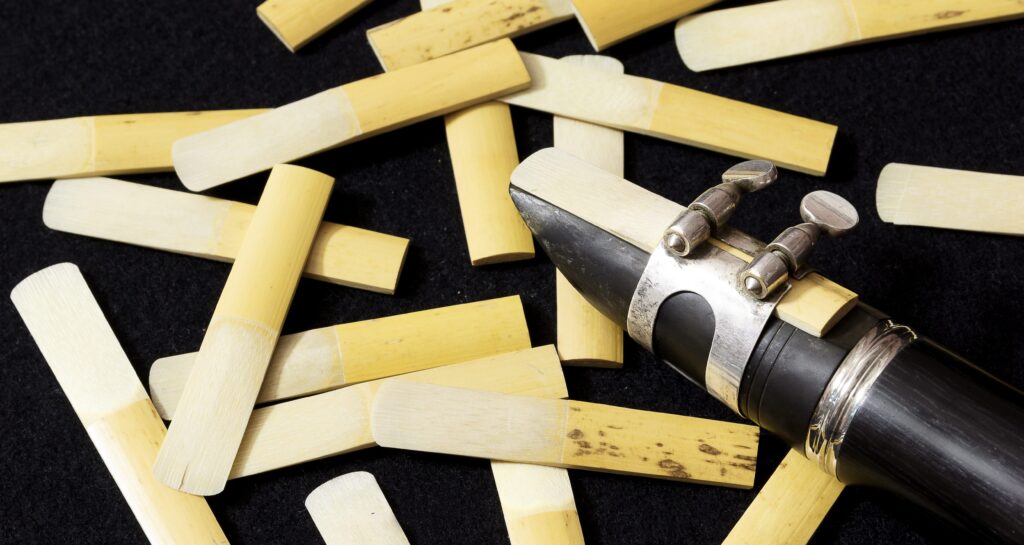
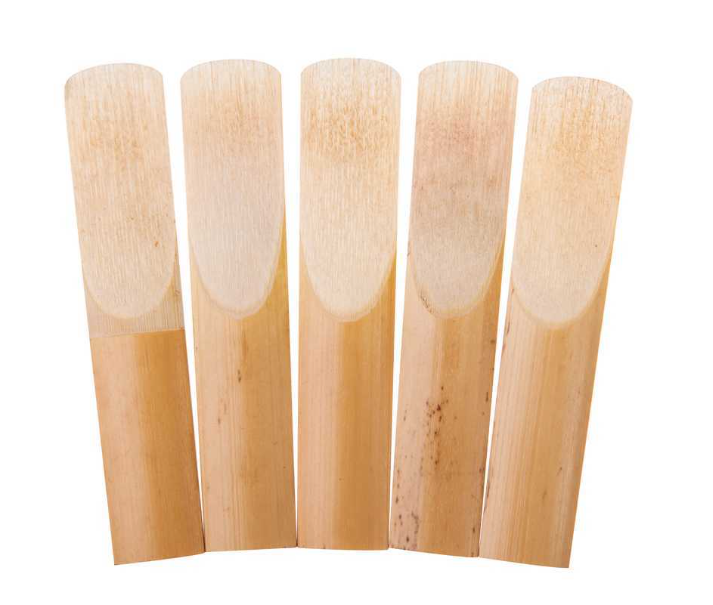
You might be wondering, “What’s the big deal about reeds?” Well, they’re the heart of your saxophone’s sound. A reed is a thin strip of cane (or sometimes synthetic material) that sits on your mouthpiece. When you blow air through it, the reed vibrates, turning your breath into music. For beginners, picking the right reed is key because it affects:
- Ease of Play: Softer reeds take less effort to play, which is perfect when you’re just starting out.
- Tone Quality: The right reed gives you a warm, steady sound instead of a shrill squeak.
- Comfort: A good reed won’t tire out your mouth, letting you practice longer.
Think of it like this: a reed is to a saxophone what strings are to a guitar—get it wrong, and nothing works. So, let’s start with the basics and find the best fit for you.
Best Reeds for Beginners: Why Rico 2’s or 2.5’s Are a Top Pick
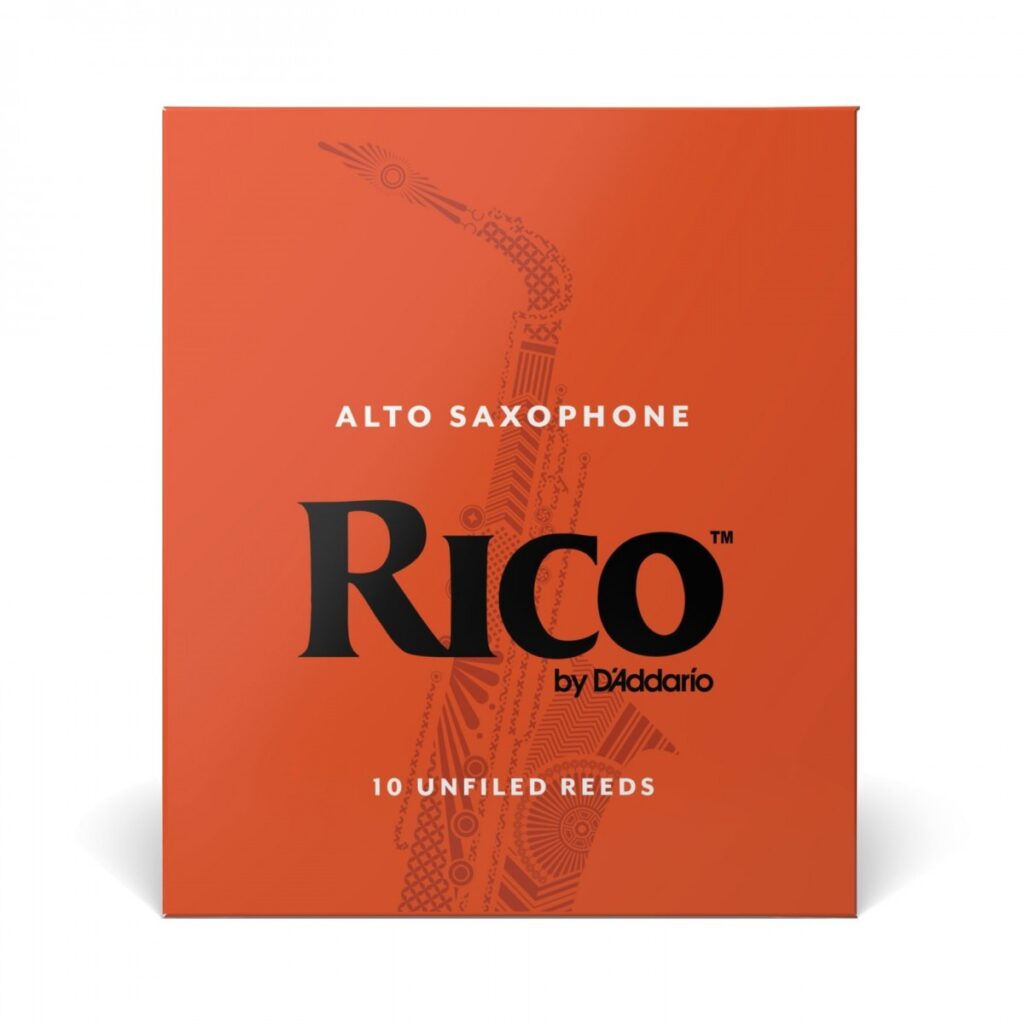
- When it comes to finding the best saxophone reed selection for beginners, Rico reeds in strengths 2 or 2.5 are a standout choice. Here’s why they’re perfect for new players:
- Super Playable: Made from flexible cane, Rico 2’s vibrate easily, so you don’t need lungs of steel to get a sound.
- Reliable Quality: Rico reeds are consistent—fewer duds mean less frustration when you’re learning.
- Wallet-Friendly: Affordable pricing makes them ideal for beginners who might go through reeds quickly.
I remember my first saxophone lesson: my teacher handed me a Rico 2, and suddenly, I could actually play a note without sounding like a strangled goose. If you’re new, start with a Rico 2. After a few weeks, if it feels too easy, step up to a 2.5 for a slightly richer tone with a bit more resistance.

How to Choose Saxophone Reeds: A Simple Test
Not sure if a reed’s a keeper? Don’t worry—here’s a quick checklist to help you evaluate it:
- Look at the Color: Aim for golden-yellow cane. Skip anything too pale or spotty.
- Check the Tip: It should be even and smooth—no chips or cracks allowed.
- Feel the Resistance: Pop it on your mouthpiece and blow lightly. It should respond without fighting you.
- Listen Up: Play a few notes. You want clear, steady sound, not something airy or screechy.
New reeds need a little love to reach their prime. Play them in short bursts over a few days to break them in gently. Trust me, it’s worth the patience.
Ready for More? Transitioning to Advanced Reeds
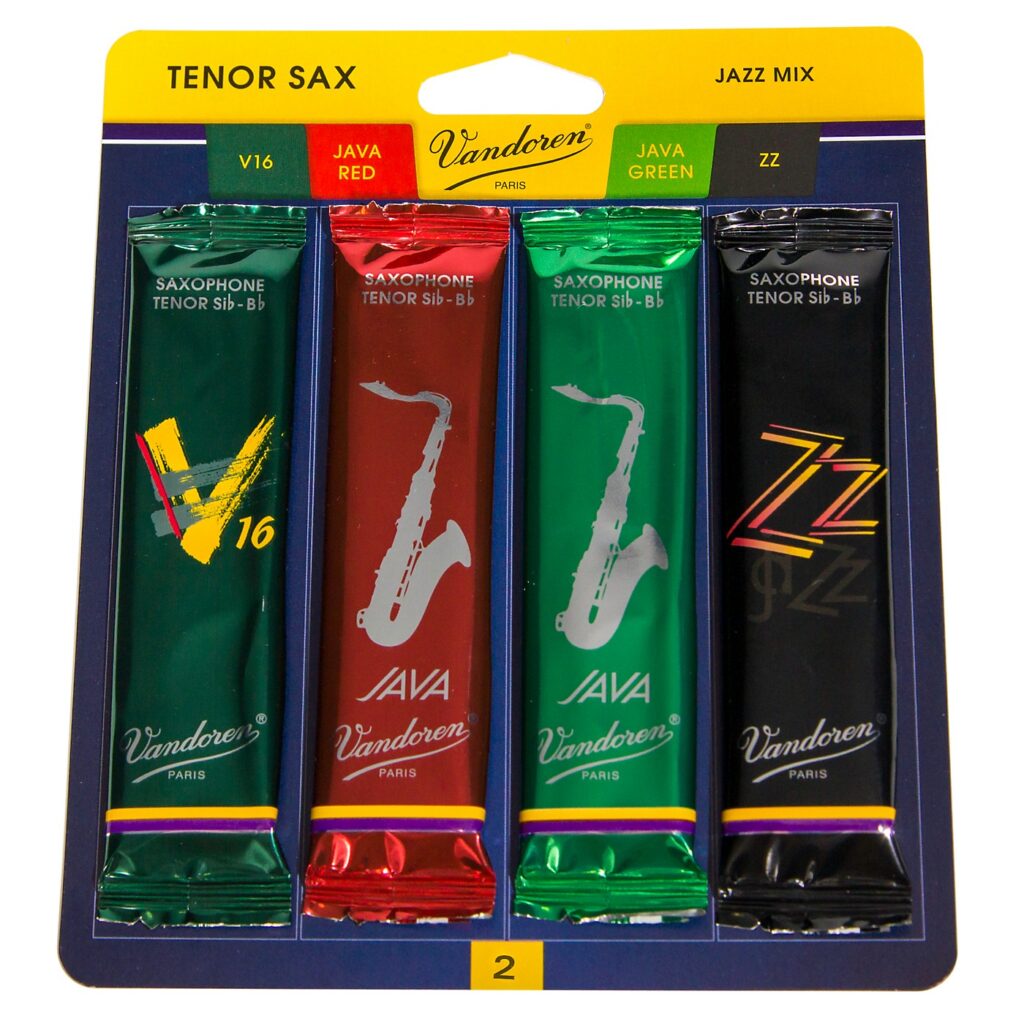
Once you’ve got the hang of things, you might notice your Rico reeds feeling a bit too soft—or maybe you’re curious about tweaking your sound for jazz or classical vibes. That’s when it’s time to explore advanced options. Here are two brands to consider:
- Vandoren Reeds: These deliver a bold, rich tone. Try Vandoren Traditional for classical precision or Vandoren Java for a jazzy edge.
- D’Addario Reeds: Known for clarity and consistency. Go for Rico Reserve for classical or Select Jazz for improvisation.
Don’t jump the gun, though. Stick with your beginner reeds until your tone and control feel solid—usually a few months in. It’s all about building a strong foundation first.
Reed Care Tips: Keep Them Playing Longer
Reeds aren’t cheap, so let’s make them last. Here’s how to care for them like a pro:
- Store Smart: Use a reed case or guard to keep them safe and flat. Never leave them on your mouthpiece after playing.
- Clean Them: Rinse with warm water and wipe gently with a cloth to clear off gunk.
- Rotate Them: Play 2-3 reeds in rotation to avoid overworking one.
A little TLC goes a long way. I once stretched a set of reeds for months just by storing them right—more music, less spending!
Wrapping Up: Start Your Reed Adventure
Finding the best reeds for beginning saxophonists doesn’t have to be a mystery. Kick things off with Rico 2’s or 2.5’s—they’re easy, affordable, and perfect for building your skills. As you grow, brands like Vandoren and D’Addario can take your sound to the next level.
Every player’s journey is different, so experiment until you find what clicks. Have a favorite reed already? Drop it in the comments—I’d love to hear about it! Or, if you’re hungry for more saxophone tips, check out our to keep your setup in top shape.
Happy playing!